
HISTORY
The Rohingya are the indigenous inhabitants of Rakhine State in Myanmar, a minority of over 3.5 million people. They have a unique and diversified culture, traditions, language, and history, with ancestry in the region since the early 7th century AD. Due to their ethnic and cultural background and religious beliefs, they have been subjected to many crimes against humanity by the Burmese government and military.
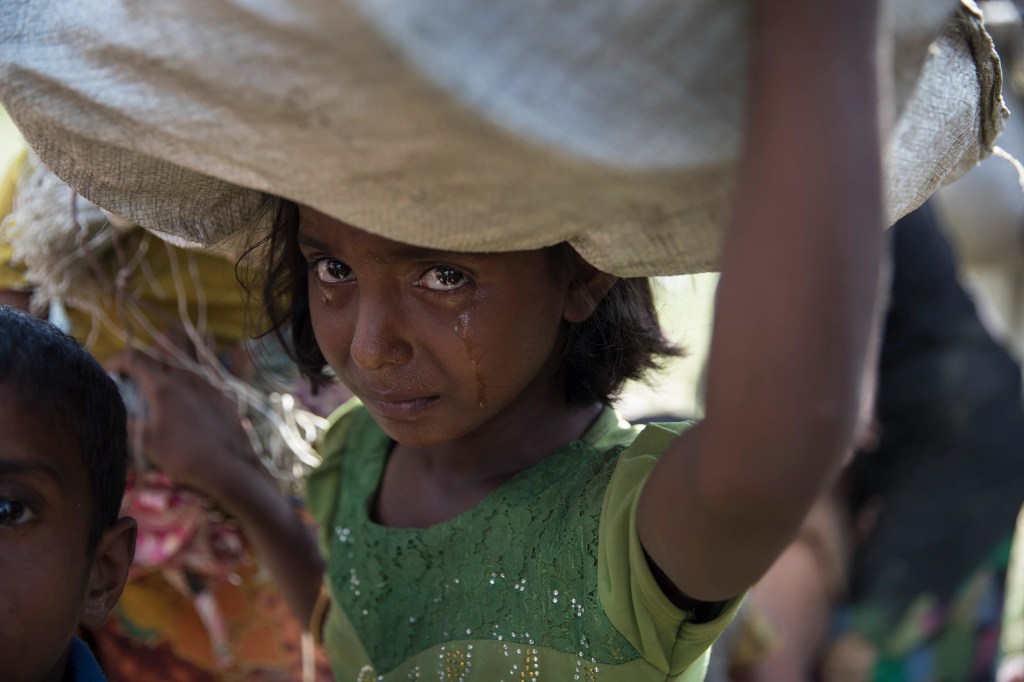
The broader public just recently became aware, particularly in 2017, when hundreds of thousands fled Burma to neighbouring Bangladesh to seek sanctuary from the genocide perpetrated by the Burmese government and military. The forced displacement and persecution of the Rohingya have been described as the most severe catastrophe in decades, as well as the greatest humanitarian and human rights disaster, with the United Nations proclaiming the Rohingya people to be the world’s most persecuted minority. Despite their centuries-long presence in the nation, the Burmese government has repeatedly persecuted the minority to build an ethnically homogeneous Buddhist society, labelling them as Bangladeshi migrants and refusing to acknowledge them as a Burmese ethnic group.
 Promise of Prosperity